AI research + development

I build AI that helps people work together.

I lead research and development on AI systems and how people work with them. I want AI to help organizations change while making their teams stronger.

AI supports the work between people.
A game plan for AI supporting the work between people Three circled human figures form a triangle on a coach's board. Direct two-way routes connect the people. AI support sits beside three activities on these routes: sharing knowledge, blocking cognitive risk, and coordinating handoffs. A blue shield intercepts a coral risk cross, and blue coaching circles mark knowledge and handoff artifacts. People remain directly connected. The playbook is a visual metaphor for design goals, not a deployed architecture or measured result. 00The work between peopleGAME PLAN Share knowledgeAI Block cognitiverisk AI Risk CoordinatehandoffsAI People stay connected

Assistant Professor, Clemson University
Director, BIG CAT · Co-Director, CU-CHAI

Why I do this

Disrupt the process.
Keep people connected.

AI should disrupt the processes that need to change. But too much human-human collaboration is getting caught in the crossfire.

My research shows how AI can worsen workplace relationships, make knowledge harder to manage, and break down teams. I build AI systems and train teams to preserve and improve those relationships while helping organizations change.

More about my approach

Three ways I build AI to support people

What I build AI to do.

My work connects the design of AI systems with the people and organizations using them.

01Knowledge networks

Help teams use what they know.

I build AI that maintains knowledge networks across people and teams. That means understanding who knows what and when that knowledge is needed, then helping people use it to form a collective judgement.
Bring shared knowledge into collective judgement On a coach's board, three circled people hold experience, context, and evidence. Their routes join at one clean junction and reach a decision point marked by a clock. AI support links who knows what with when that knowledge is needed. The route continues to a human huddle where people weigh perspectives and form collective judgement. An amber return route sends learning from the outcome back to the knowledge network. The formations and routes are a playbook metaphor, not a fixed workflow or system architecture. 01Shared knowledgeTHE HUDDLE Who knowswhatWhen it'sneededCollectivejudgement ExperienceContextEvidence Decisionpoint Weigh perspectives AI: who + when Learn from the outcome

02Cognitive protection

Protect the people doing the work.

Cognitive vulnerabilities can undermine people and pull teams apart. My work builds AI that proactively protects against those vulnerabilities and supports team effectiveness.

AI blocks cognitive risks and protects the team formation Two coral routes start below Overload and above Manipulation. Their vertical segments share the same horizontal position, centered on Overload. They bend toward each other, then continue as two separate parallel arrows toward the blue AI block and shield. A gap separates both arrowheads from the block. Three circled human teammates remain directly connected in a triangular formation behind the shield. This coach's board presents proactive cognitive protection as a design goal, not a guarantee of total prevention or a particular implementation. 02Protect the teamTHE BLOCK Cognitive risksTeam formation OverloadManipulation AI Team relationships Protect the people doing the work.

03Collaboration + coordination

Help people work with each other.

I build AI systems that directly support human-human collaboration and coordination, including the complicated work that happens across teams in an organization.

AI supports handoffs and coordination between teams Three team formations each contain two circled people. Direct two-way chalk routes connect the teams across the coach's board. A handoff on one route is circled in blue. AI support beside that route points to both the handoff and a shared plan listing decisions, handoffs, and next steps. Teams retain direct relationships. The playbook routes illustrate coordination goals, not a specified workflow or deployed system. 03Coordinate across teamsTHE HANDOFF Team 1Team 2Team 3 Shared plan DecisionsHandoffsNext steps Handoff AI support

Selected work

What that looks like.

All project areas

Evidence behind the work

A few things we’ve learned.

Publications in my CV

Human-AI teamwork

People approach an AI teammate differently.

32 mixed human-AI teams · Mixed-methods study

Participants reported stronger teamwork and less conflict with their human teammate than with their AI teammate. Their expectations of AI and difficulty understanding it helped explain the difference.

Communication + coordination

How an AI communicates changes the teamwork.

100 participants · Experiment and group interviews

We studied verbal and visual AI communication in teams with different mixes of human and AI teammates. The study identified trade-offs between those communication modes.

Christopher FlathmannChristopher Flathmann · Clemson, SC

Research, development, and the team behind it

I lead the work.
I build, too.

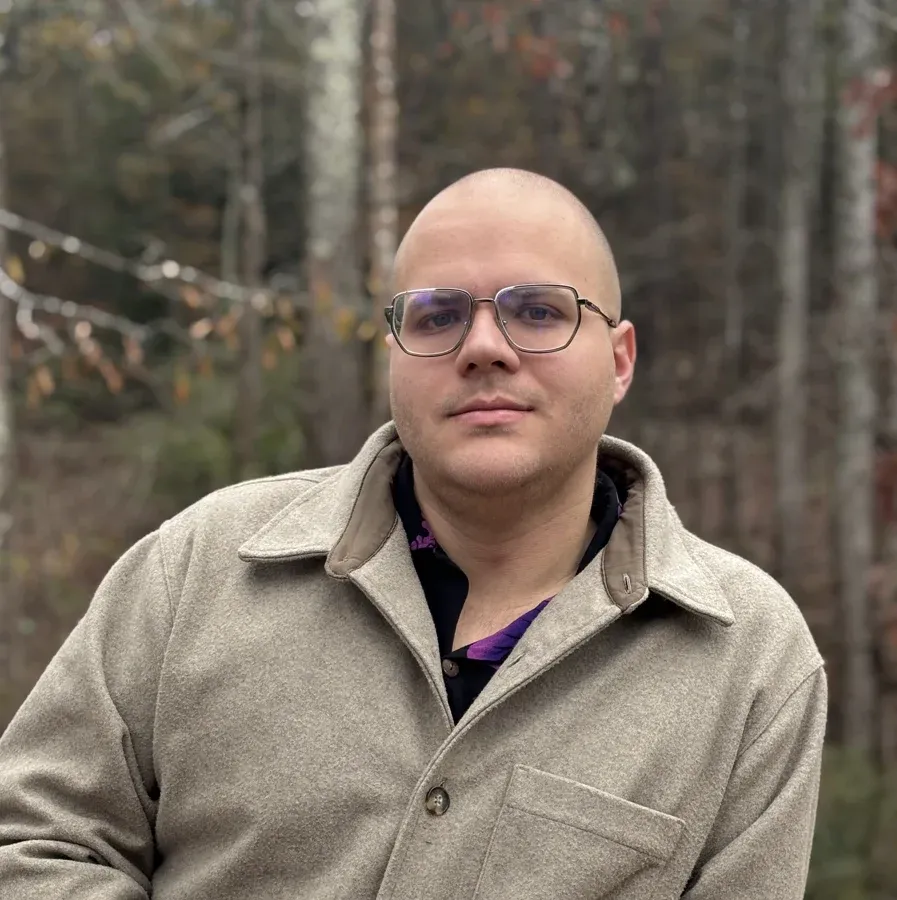
I’m an Assistant Professor at Clemson University, where I direct the BIG CAT Research Group and co-direct the Center for Human-AI Interaction, Collaboration, and Teaming.

I lead research and development, and I’ve built systems hands-on. That combination matters to me: understanding how people work should shape the AI we build.

2025 AFOSR Young InvestigatorMeet the research group
About me

Get in touch

Let’s talk about
what you’re building.

I’m interested in conversations about AI research and development, leading technical teams, and how AI fits into an organization’s work.

chris@cfjord.com